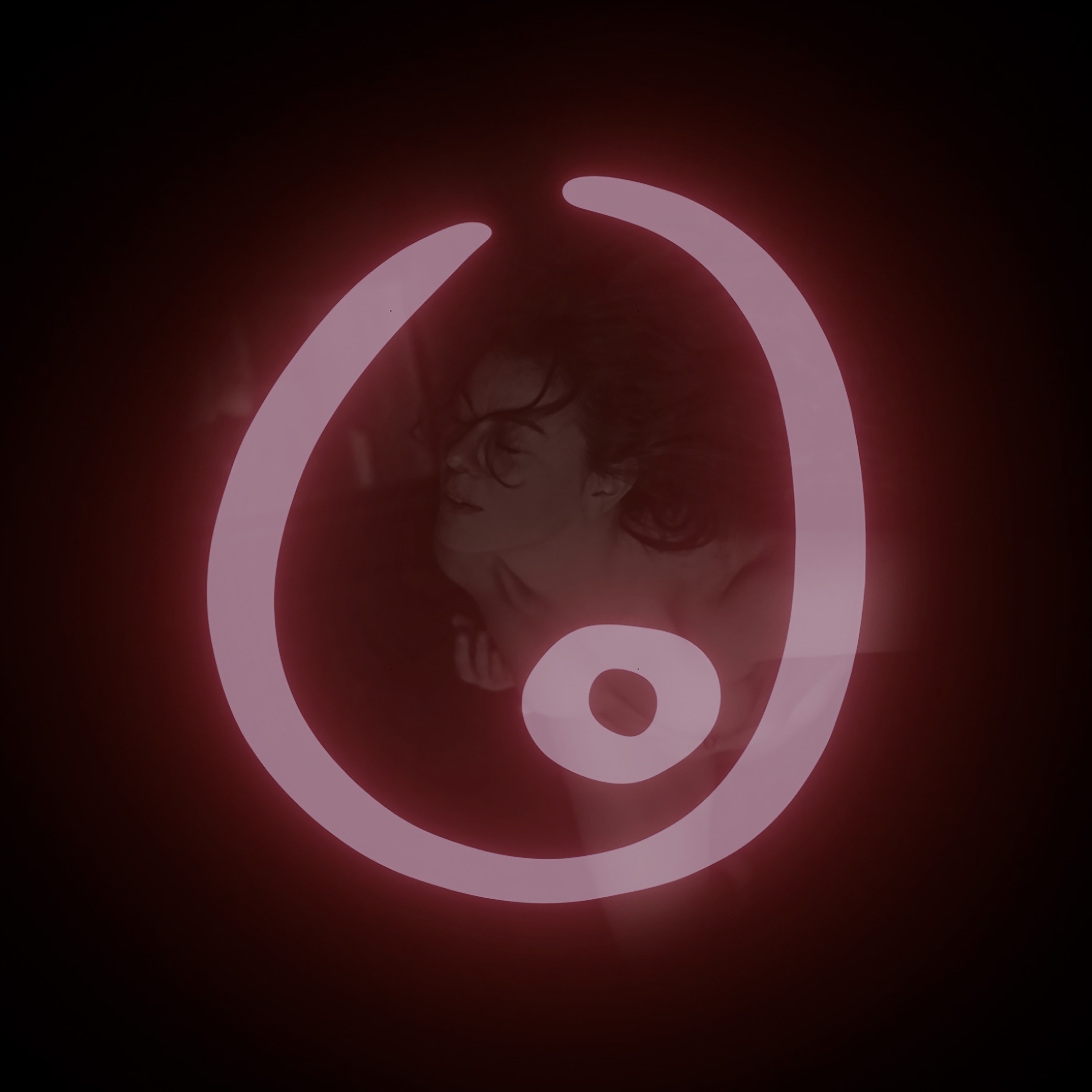
The press release calls Pink Breath an “exploration of femininity, reclamation and self actualization” and that it’s “inspired by pivotal social movements such as Marriage Equality and The Repeal campaign.” It’s that, true, but it’s also much more. The debut album from Daughter of a Drum, aka Irish genderqueer artist Aoife McAtamney, it’s a spellbinding song cycle that features dramatic flourishes one moment and heady percussion the next, somewhat akin to a theatrical production making use of the ultimate stage—the mind.
The stage is set with a stark declaration at the top of the first track: “My body is my home/about the only thing I own,” with McAtamney’s vocals soon surrounded by stray strings, wind and a heartbeat-like rhythm. “Heal Me,” the second song, expands upon that mood, digging into the highs and lows that are part and parcel of life and how, if we’re lucky and surrounded by the right people, torment gives way to peace.
“Hippy,” for its part, surveys the scattered thoughts and memories that escape the strong undertow that is the subconscious. “Your momma was a hippy, baby,” she sings, while an infectious melody swirls around her like a whirlpool. “I’ve been thinking about my life and all the lies,” she admits at one point. If you think about it, memories are often little more than myths we embrace in order to avoid unsettling truths. “Heart River” expands upon that via the prism of her hometown: “I’ve got a lot to forgive, I’ve got a lot to scream, I’ve got a lot to hold, a lot to grow, a lot to be.” “Sex in Bed” is smokey, sultry and sad all at once.
“Space,” which was released as a single in early August, is a poignant piano-based tune that features Justin Vivian Bond, a Bessie and Obie Award-winning artist and activist (and one half of the punk cabaret duo Kiki & Herb), whom McAtamney met by chance almost a decade ago. The song speaks to the way our dreams, hopes and love evolve as we evolve. It’s a beautiful, touching and the heart of the album. “Spoke” ups the tension.
“Simple Love” finds McAtamney rejoicing over a love that left her feeling less lonely and more alive. Love is simultaneously simple and complex, of course, a proverbial meeting of hearts and minds born from personal chemistry. “Youth,” on the other hand, revisits a painful memory from childhood that haunts her, still; that it follows the joy of “Simple Love” shows how such things can’t easily be overcome. The album closes with “Song A,” about abortion—“nobody wants to talk about it/but everybody has something to say about it.” It’s a brave song that essentially brings the album full circle.
To bring this review full circle, as well, here’s another quote from the press release: “Structurally [Pink Breath] was inspired by the German Lieder Tradition of the song cycle and encouraged by radical feminist writers Audre Lorde, Bell Hooks and the wondrous queer tradition of recovering narratives of self-definition through storytelling.” I am admittedly ignorant of all but Audre Lord, whose poems I read during my long-ago college days. I do embrace empathy, however—and, more to the point, music that stirs the soul. Pink Breath does just that.
(There’s also a film component, directed by Wolf James, that promises to explore the “themes of sexuality, fertility and home” while blending dance, music and the written word. I look forward to watching it.)

 The Old Grey Cat
One thought