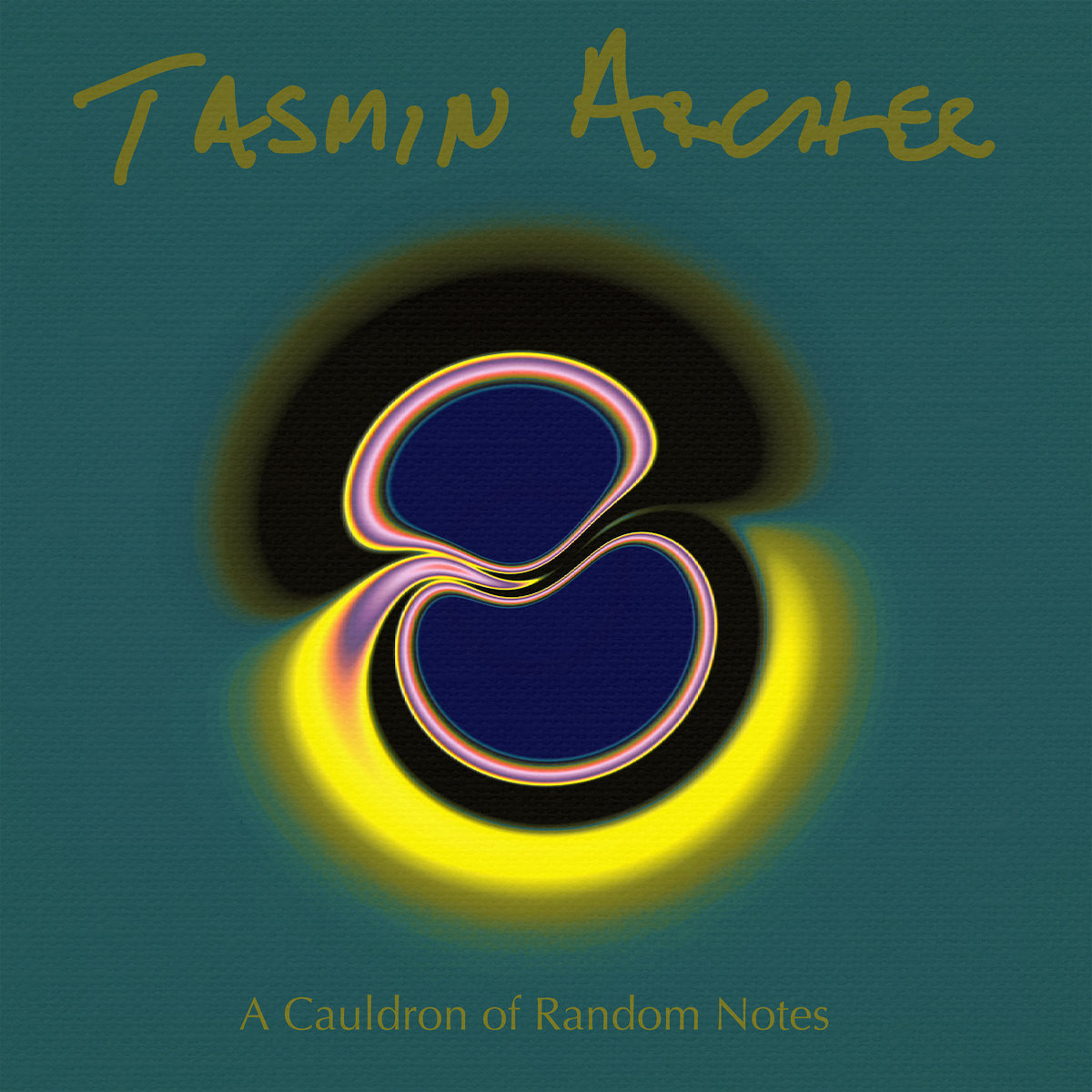
The early and mid-1990s were a glorious time for music. Compelling new artists broke through, niche bands kinda-sorta entered the mainstream, and many of the longtime troubadours who’d floundered throughout the ‘80s found a second (or third or fourth) life. Many nights, Diane and I each picked two CDs for our multi-disc player, agreed on a fifth, hit “shuffle,” and enjoyed an evening of favorite tunes. Tasmin Archer’s sterling 1992 debut, Great Expectations, was almost always in the mix—as was the EP that followed in 1994, Shipbuilding. In the U.K. and E.U., the latter consisted of four Elvis Costello covers; here in the States, however, live renditions of four tracks from her debut were tacked on, including “Sleeping Satellites” and “When It Comes Down to It.” The songs were mesmerizing all, accented by soaring melodies and vocals.
Bloom, recorded with Mitchell Froom and released in 1996, failed to flower when her record label, EMI, unhappy with the subdued sound, lowballed promotion; worse, it was only available as a pricey import in the U.S., meaning there was even less support. Not surprisingly, she soon parted with the label—and retreated from the public stage. The resulting sabbatical turned out to be much longer than intended, however, due to a bad case of writer’s block.
in 2006, she self-released ON—a welcome return, at least in these parts. And then, just like Bobby Fischer, she promptly disappeared again. Although she and longtime partner John Hughes continued to write and record demos and ideas, there was no plan for another album. In fact, if not for the forced downtime that came with the pandemic, those tracks—hundreds and hundreds, from what she told BBC Scotland—likely would have gathered dust. With time on their hands, Archer and Hughes selected 30 of those demos to finish—and then chose 11 to share on A Cauldron of Random Notes, her first release in 19 years.
It’s akin to a sweet reunion with an old friend, albeit one who still looks and sounds like she did way back when. “Vibration of Life,” released as a single a while back, positively shimmers, while “Silent Witness” serves up a potent message about war and climate concerns. “Round and Round,” about escaping the drudgery of life, conjures Great Expectations, albeit it with a tad more percussion. “Hysteria” offers a cogent analysis of the times we find ourselves stuck in. “Free Fall,” for its part, offers temporary escape from said madness. “Boy,” on the other hand, brings things closer to home, dancing around emotional distance, while “Upside Down” shares the anxiety that sometimes plagues her and, perhaps, fuels that distance. “Segregation Seeds,” meanwhile, is another smart take on the modern world—too many political leaders pit people against one another. The lush “Milan Girl,” hypnotic “In the Blood,” and mesmerizing “Madame Joy” end the album in fine form.
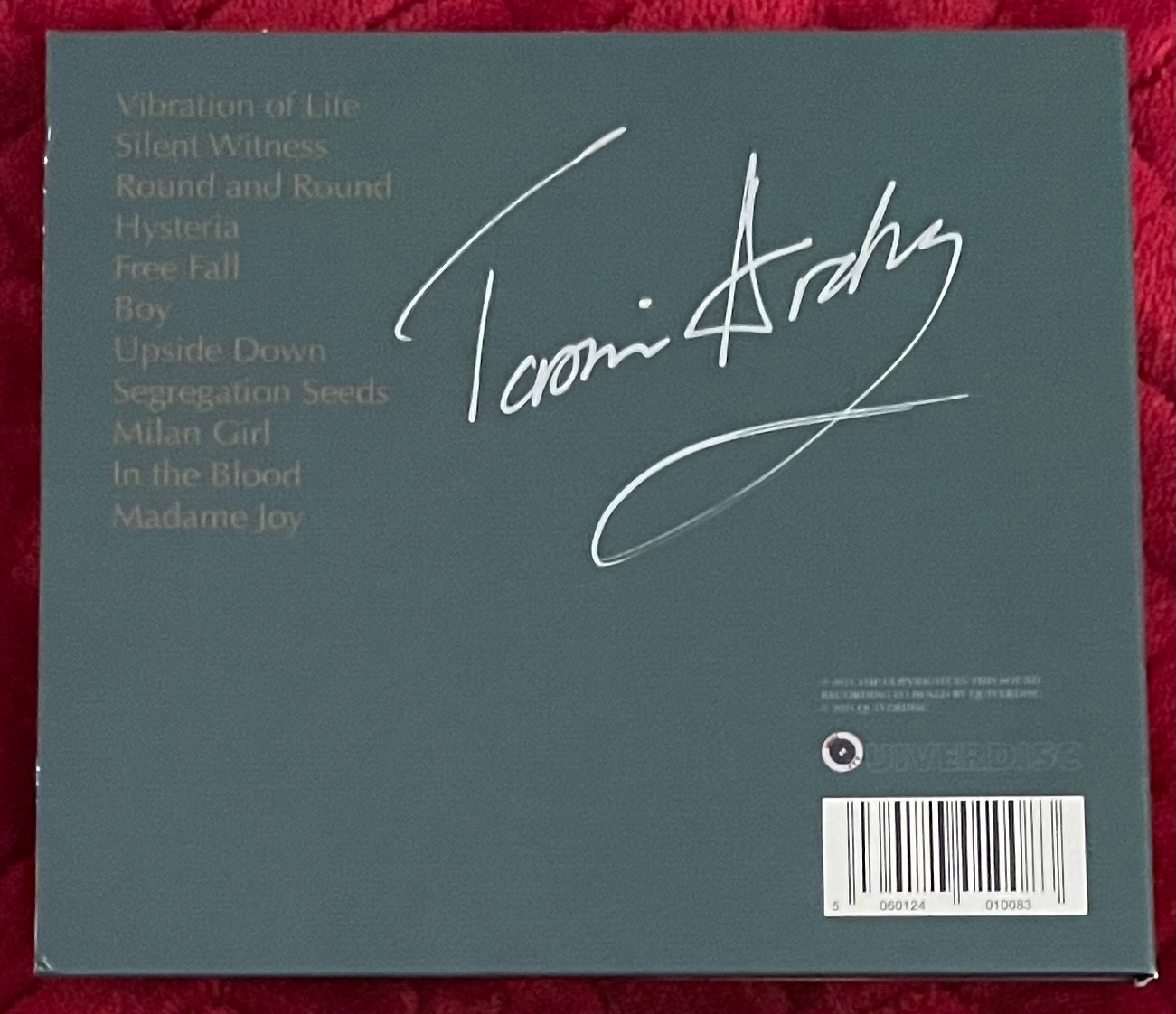
While nothing can jet us back to the 1990s, A Cauldron of Random Notes comes close. I’ve enjoyed it since its release last month, calling upon Siri to play it when out and about and, too, here at home. It’s not a mimeographed copy of Great Expectations, Shipbuilding and Bloom, in other words, but a continuation of those works—and ON, as well. Old fans such as myself will enjoy it from the get-go, while newcomers should find much to like. Highly recommended.
The album can be purchased in digital form from Bandcamp or physical form via Tasmin’s online store.
 The Old Grey Cat