The river flows. It flows to the sea. But, unlike Roger McGuinn, wherever that river goes is not always where I want to be. Truth be told, most days I feel as if I’m standing beneath a waterfall attempting to catch every drop of the rushing water with a coffee cup. There’s just not enough time in the day to process all the music that comes my way.
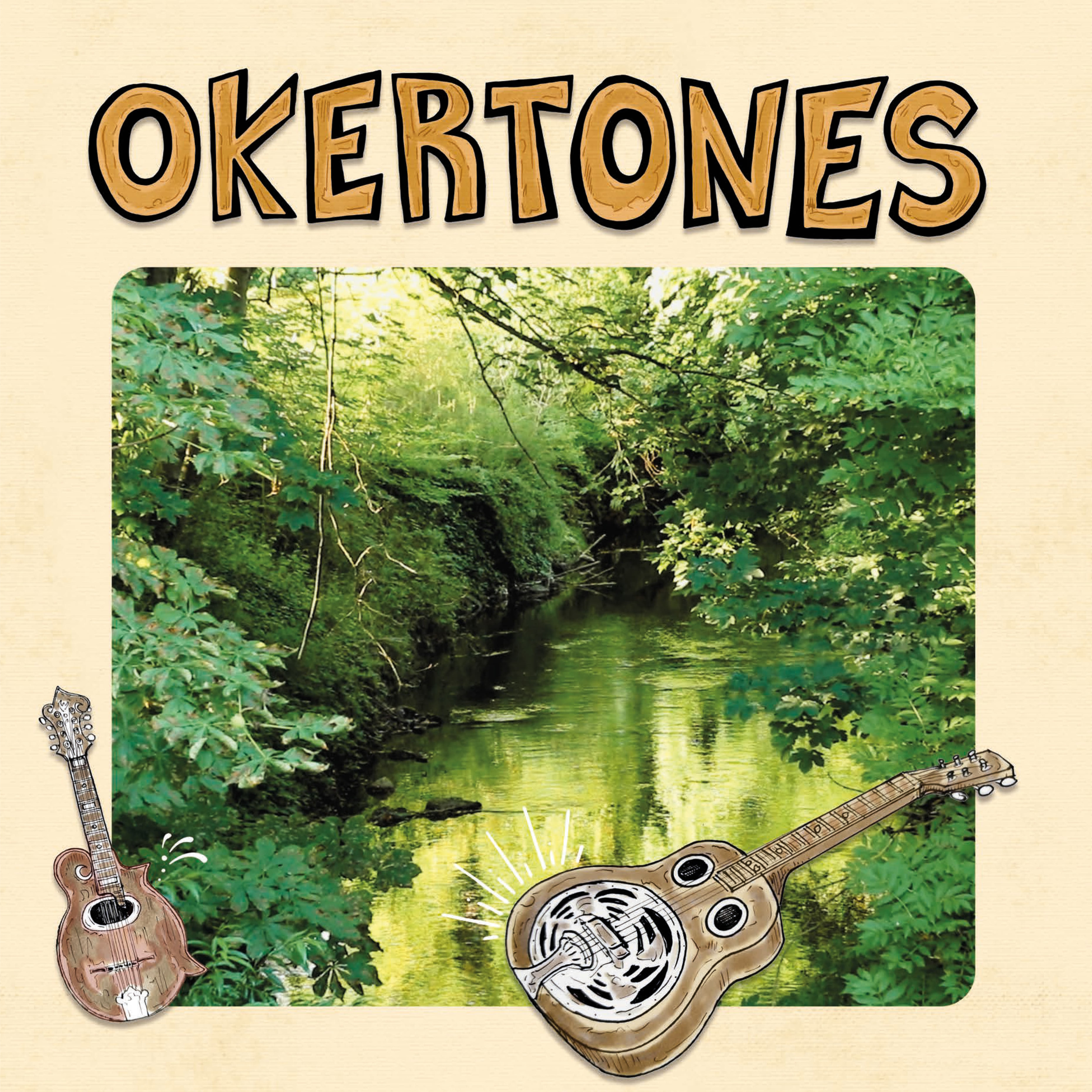
The debut from Okertones, released on October 10, is a great example of what I mean. For those unfamiliar with the seven-member band, they’re an Americana-flavored group from Braunschweig, Germany, that captures the spirit of the music as well as any band or artist I’ve heard this year. There are guitars, of course, plus dobro, fiddle, mandolin and even saxophone, not to mention drums and percussion—and harmonies, too, with gruff lead vocals interspersed by a woman’s heart. (I.e., multiple lead singers.) Most songs, for the ethnocentric among us, are sung in English, and remind me of the Untitled-era Byrds, the Band, Fleetwood Mac, and other ‘70s-era groups.
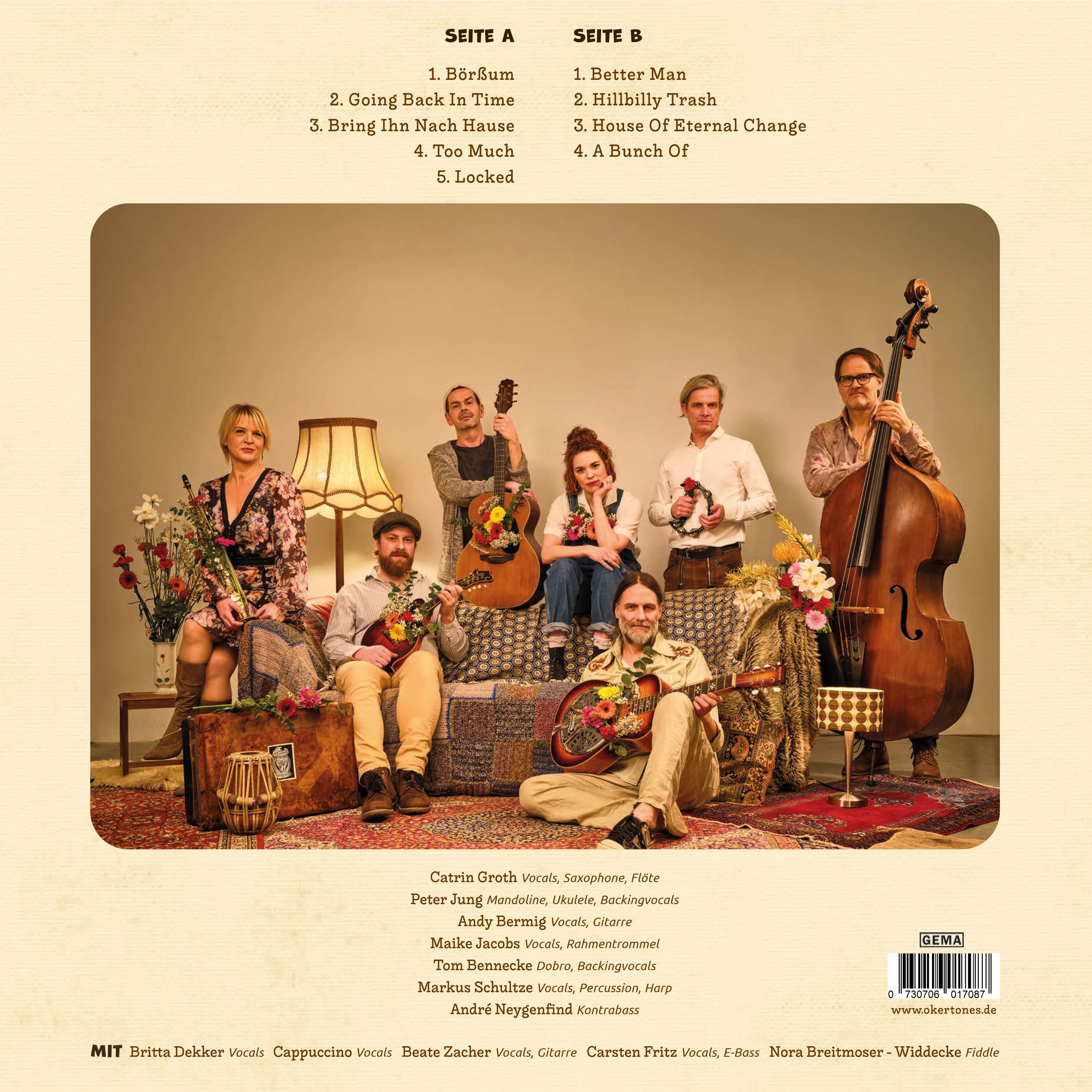
Band founder/leader Tom Bennecke wrote or cowrote the nine tracks that make up the 44-minute set. It opens with Andy Bermig’s “Börßum,” which focuses on something many of us will relate to: returning to one’s hometown after a long stretch away. Long-buried memories come fast and furious: “I realize I have forgotten so much that was important and is part of me.”
“Going Back in Time,” the gentle second track written with (and sung by) Markus Schultze, follows with the safe escape that memories bring us, especially in these days of tumult and turmoil. The bluesy “Bring Ihn Nach Hause,” a German-language song featuring Karsten Löwe, delves into the dark shadows that linger within us, while “Too Much”—with Catrin Groth on lead—eschews life’s complications in favor of stripped-down simplicity. “Locked,” written with and sung by Britta Decker, is a reminder to one’s self that tough times rarely last; it’s a 1970s-flavored acoustic gem. Maike Jacobs’ “Better Man,” an acoustic blues tune, turns the tables on the miscreant men that walk among us.
The instrumental “Hillbilly Trash,” meanwhile, is a fun bluegrass break. “House of Eternal Change,” on the other hand, chronicles the moody blues many of us experience from time to time; it features Beate Zacher front and center. “A Bunch of” closes the album with Carsten Fritz, who sounds a bit like Tom Waits, celebrating the many cultural imports—from reggae to the Rolling Stones to Miles Davis—that have influenced Bennecke and friends.
All in all, it’s a thoroughly enjoyable album that holds us to repeated plays. Available on Bandcamp and the streaming services, it’s well worth seeking out.
 The Old Grey Cat