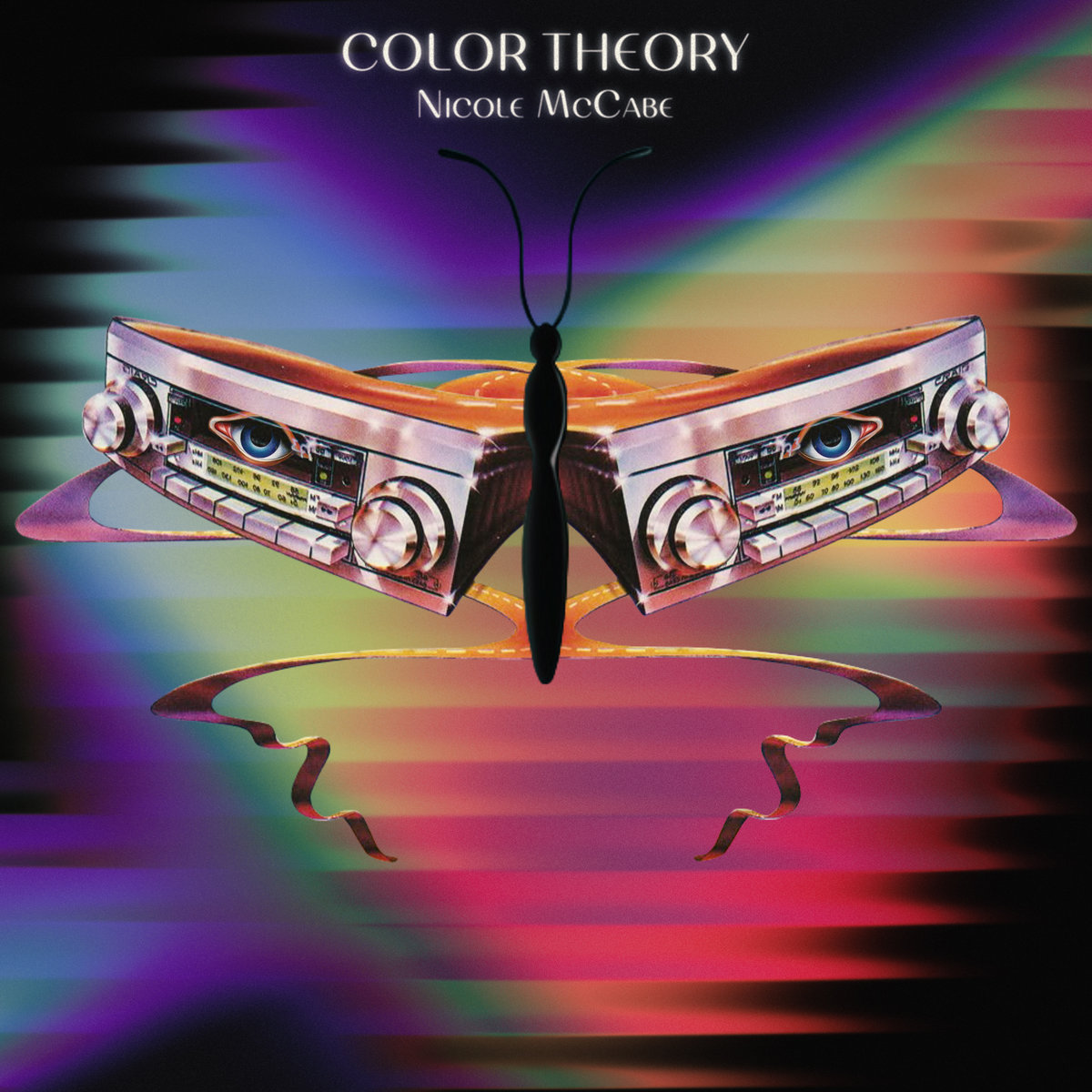
I sometimes stumble across social-media conversations in which a neophyte asks for recommendations of jazz artists and albums. They heard a snippet of something somewhere and, given all the world’s music (past and present) is but a click away, dove down the rabbit hole…only to become understandably overwhelmed by the many options. The respondents routinely suggest the greats and classics of 50, 60 and 70 years ago, including selections from Miles, Coltrane, Bird, Mingus, and Monk, plus Ella, Sarah, and others long gone. Everyone means well, of course, but it begs the question: If no one can proffer a recent release, is jazz alive or dead? On life support?
The answer, my friends, is blowing in the sax.
I jest, of course. (The lengths I’ll go for a punchline!) In truth, similar to most every other genre, jazz lives and thrives in both likely and unlikely places and spaces, from legendary L.A. studios to Brooklyn basements to London lofts to Scandinavian saunas. (Another joke: jazz flourishes in cold climates!) Just as in the fabled days of yore, some releases push the envelope while others embrace the mainstream; one needs the latter for the former to flourish, of course, just as one needs the former for the latter to make sense.
Nicole McCabe’s Color Theory is a joyous example of the yin-yang principles at play; it’s simultaneously modern and retro, mainstream and not. Recorded live at Brooklyn’s Bunker Studios, her alto sax soars high above the clouds one moment before dipping beneath them the next. Accompanying her is a deft ensemble that includes Yvonne Rogers on piano and synthesizer; Eliza Salem on drums; and Kanoa Mendenhall on bass. Special guests include trumpeter Adam O’Farrill, who lends his horn to four tracks; and cellist Maya Paredes, vocalist Christie Dashiell, and drummer Justin Brown, who each appear on one.
“Hues,” released as a single in January, is one example of the colorful interplay between McCabe and her bandmates. As she explains in the press release, it “contains rhythmic puzzle pieces that fit together in each other’s spaces. This composition deals with odd meters and syncopated bass lines but the rhythm sections manages to make it feel effortless and light.”
“Sifting, Shifting,” released earlier this month, is another representation of the magic that McCabe weaves with her friends: Dashiell’s lilting vocals, wordless throughout, dance atop the hypnotic tune, which gives all the principles a chance to shine.
To return to the lede: McCabe’s Color Theory is an example of jazz’s continued vibrancy, reminiscent of both the legendary jams of yore and the improvised delights of last year. It’s an 11-track celebration of syncopated riffs and spirited melodies, the kind of record that demands repeated plays. I’ve never been able to listen to it just once, at least. Whether you’re a newcomer to jazz or a longtime fan, I highly recommend it.
 The Old Grey Cat