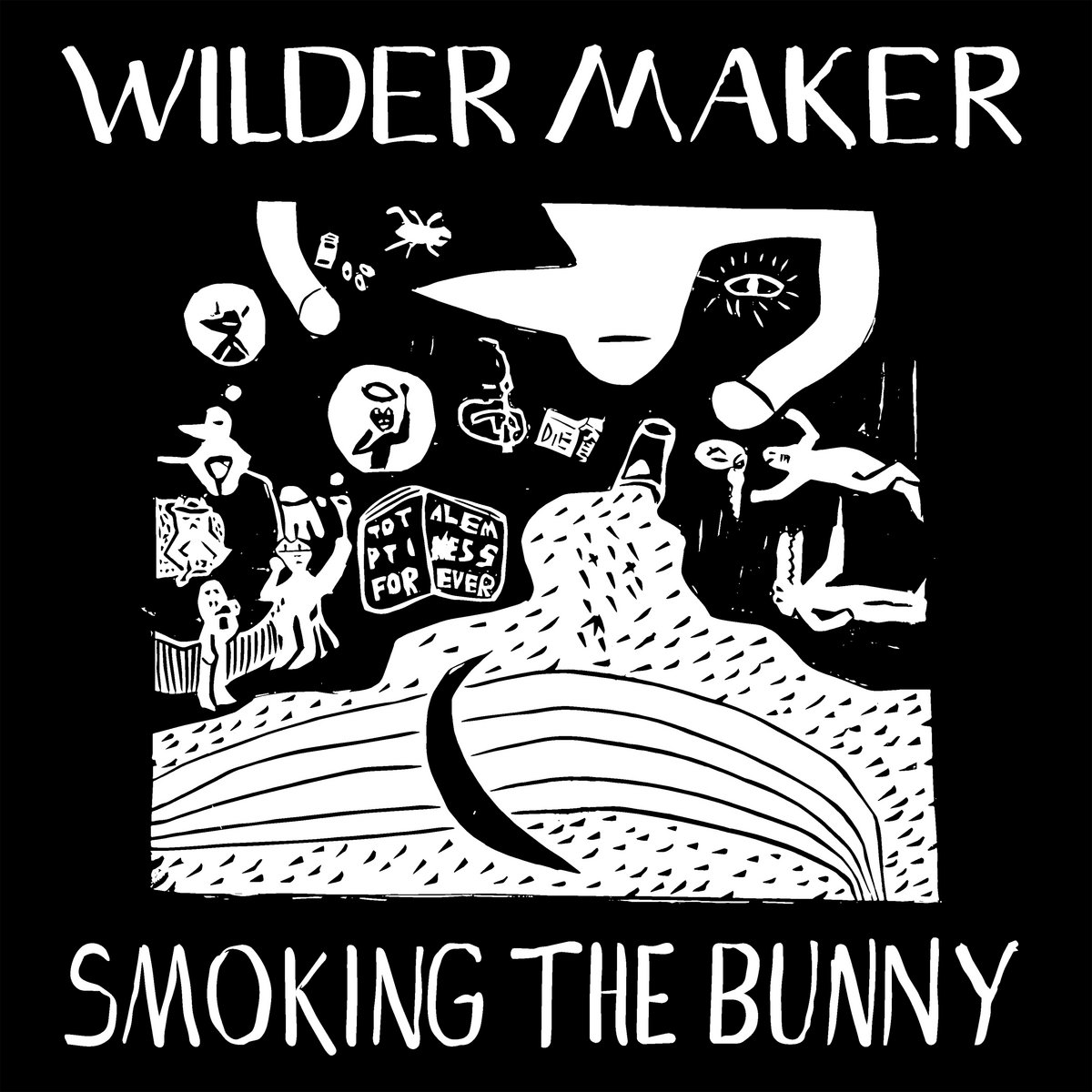
TV’s on, tuned to TCM; a gritty cinematic treat from yesteryear fills the not-so-small screen in the living room. Light and dark, plenty of shadows, plus morally suspect characters—what’s not to enjoy? The second installment of Gabriel Birnbaum’s experimental pop trilogy unreels like the audio equivalent of a film noir, with that art form’s twin pillars (cynicism and fatalism) accentuated by beat-driven dialogue and a jazzy score. The story ain’t about gams and guns, however. It’s weary and woozy, a little boozy, a jigger of Tom Waits mixed with two jiggers of Street Hassle-era Lou Reed.
Either/or, the protagonist introduced in last year’s The Streets Like Beds Still Warm finds himself staggering through the wee small hours of the night, when street lamps glow like mini-moons and the stars above them fade into the black of an alcohol-soaked soul. A broken heart fuels the figurative self-immolation, which finds our anti-hero taking refuge in a flea bag that soon houses memories he’d rather not remember. “Cruelty is the currency/and of late I have become rich,” he laments. But love is not the only progenitor of his predicament. “I see it as an inevitable correction for the infinity that is a part of young life,” Birnbaum explains in the press release. “One can’t be disappointed without having first hoped for everything.” I.e., it’s an avante-jazz opera about midlife doubts and existential regrets.
As with The Streets Like Beds Still Warm, Smoking the Bunny began with Birnbaum jamming with bandmates Adam Brisbin, Nick Jost, Sean Mullins, and sometimes Katie Von Schleicher in the studio. He treated those early treatises as the first drafts they were, editing and re-working them into sound collages that echoed the overnight hours, then turned to such collaborators as saxophonist Joseph Shabason, trumpet player Cole Kamen-Green, composer-harpist Kitba, and violinist Macie Stewart to further flesh out the noir-like sensibility. Most have lyrics that further the storyline, while a handful—including the title cut—are compelling instrumentals.
Delving song-by-song into the 17-track, 42-minute opus is feasible, I suppose, but pointless. They are compact, interconnected fever dreams that balloon large yet never pop, with the jazzy accents shadowing Birnbaum’s vivid lyrics. The closing “Ballad of Total Control,” for its part, offers a glimmer not of hope, but of the gradual self-actualization that precedes it: “I drop the mask/And find another growing there/Death lights closer everyday/But if you write the book/You get to say how the story ends.” It’s an album well worth many listens.

